
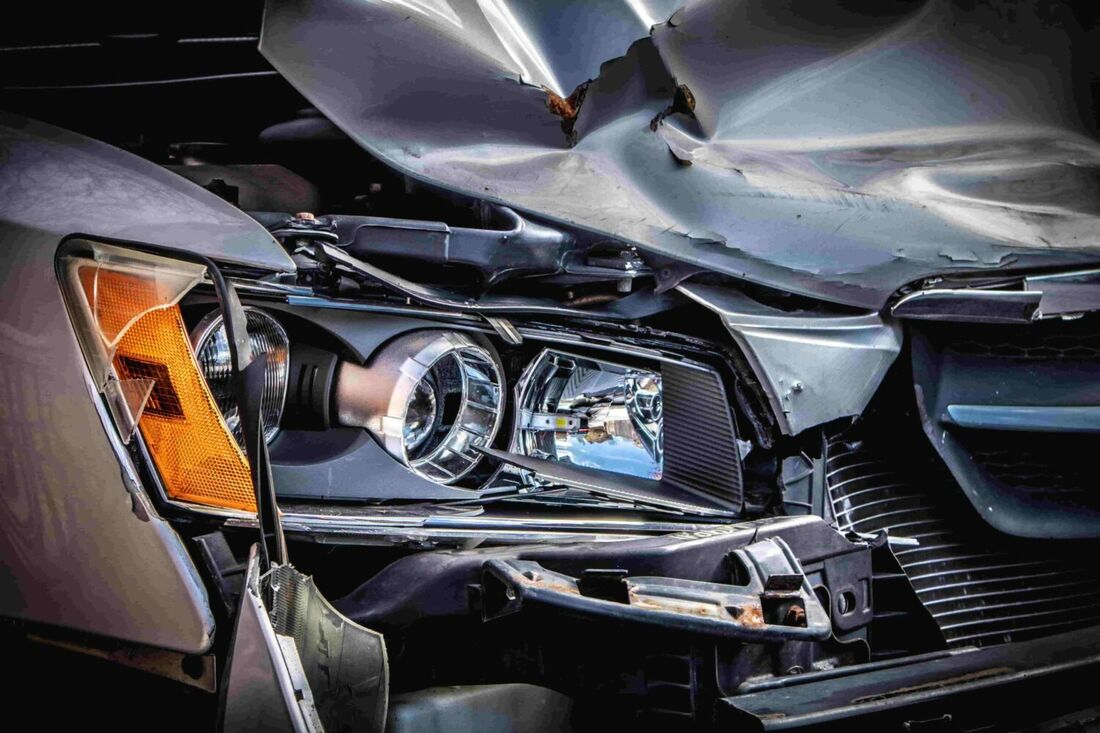
How Common Are Uninsured Motorists?
Although all drivers are required to have insurance in order to operate the vehicle, a surprising percentage of them do not.In fact, an average of 12% of motorists on the road are not insured. And while the driver may be aware of this, they do not think that they need it or feel that they can risk operating their vehicle without it. This can be a grave mistake. Uninsured driving can come at a great cost to the driver and any parties that may have been injured by an uninsured driver. Luckily, GSAS can help. Our team of knowledgeable and professional attorney’s are experienced in navigating the laws around uninsured drivers. If you’ve been injured by an uninsured driver you are not alone. Keep reading to find out what laws are in place to protect you and what you can do to ensure you receive appropriate compensation for your loss.Are There Uninsured Driver Laws?
As we’ve mentioned before, it is illegal to operate a motor vehicle without insurance in the state of Kentucky. A vehicle owner who does not maintain their insurance is subject to a fine between $500 to $1,000, 90 days in jail, or both. All vehicle owners are required to carry at least minimum liability coverage which covers up to $25,000 for all claims of bodily injuries obtained by one person and no less than $50,000 for all injuries obtained by all persons. Minimum liability coverage will also cover up to $25,000 for property damage as a result of an accident.Are There Uninsured Motorist Laws?
Under Kentucky state law, uninsured motorists are subject to the penalties laid out above. While there is uninsured motorist coverage it is not a requirement. Instead, Kentucky has a series of statutes that outline what happens when a motorist is underinsured. Here, underinsured is not having insurance but not having enough insurance to settle a claim. Essentially,- If another party is underinsured or has no insurance, you can make a deal with your own insurance company to cover your claims.
- If the injured party attempts to recover funds from another (insured) party, the uninsured party’s insurance company will have 30 days to consent.
- After an accident, some insurance companies offer to pay for both the hurt person and the car that hit him. Sometimes the insurance company of the driver who hit the hurt person doesn't agree to pay. If that happens, the first insurance company may keep paying for the hurt person until he is well. If this happens, after the hurt person recovers, he will ask for money from both insurance companies, and whichever one offered to pay less will have to pay the rest.
- If an accident was caused by a driver who had only the required insurance, then the driver's insurance company should still pay for losses that exceed the limits of the policy. The amount of money an injured person receives shouldn't be affected just because they have more than the required amount of insurance.